
Medically Guided Weight Loss vs Commercial Slimming Centres: Understanding the Difference for Lasting Health

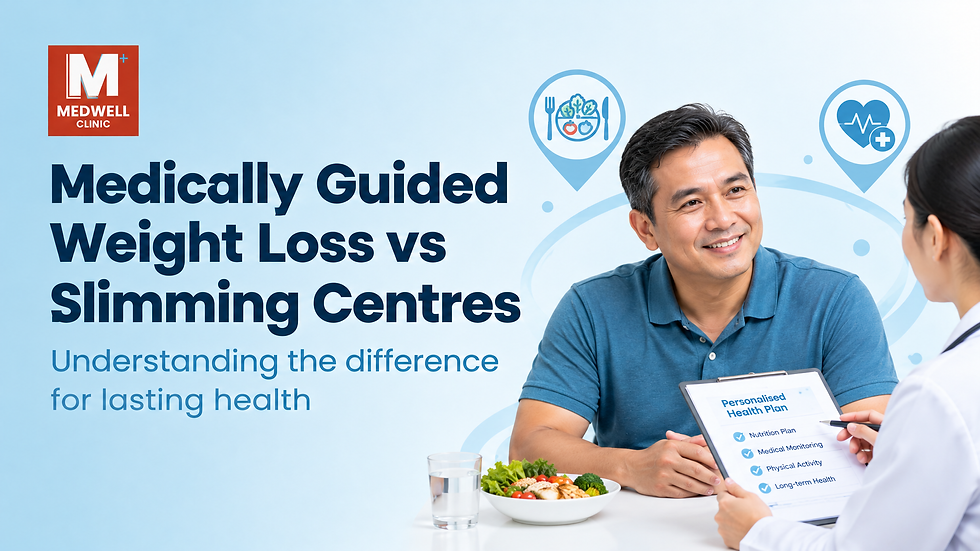
When diet and exercise alone feel discouraging, many Malaysians look for external support to help them reach a healthier weight. Searching for solutions often reveals two very different routes: commercial slimming centres (such as well-known beauty-based brands like London Weight Management or Dorra Slimming) and clinical, doctor-guided medical clinics.
While both focus on reducing body measurements, their methods, safety standards, and physiological mechanisms are fundamentally different. Understanding medical weight management vs slimming centre approaches allows you to make an informed decision based on your long-term health rather than short-term water loss.
How Commercial Slimming Centres Approach Weight Reduction
Commercial slimming centres operate primarily within the aesthetic and wellness industry. Their programmes generally revolve around salon-based procedures designed to produce rapid visual changes.
Common techniques used in slimming centres include:

Thermal Wraps and Sauna Blankets: Inducing heavy perspiration through heat therapy.
Mechanical and Lymphatic Massages: Using specialised rollers or suction machines to manipulate subcutaneous tissue and encourage fluid drainage.
Topical Slimming Gels: Applying warming or cooling formulations to stimulate blood flow in targeted areas.
The Science Behind the Results
Thermal blankets and compression wraps often produce immediate drops on the scale or small reductions in waist measurements. However, medical organisations such as the World Health Organization (WHO) note that genuine weight reduction requires the burning of adipose (fat) tissue.
The immediate reduction seen after intense heat or wrapping sessions is largely the result of temporary water loss and mild tissue compression. Once you rehydrate and consume regular meals, total body weight typically returns to its baseline. Furthermore, beauty consultants in these centres are not medical practitioners; they cannot run diagnostic blood work, assess organ function, or treat the underlying hormonal drivers of weight gain.
How Medically Guided Weight Management Works
In contrast, clinical weight management treats weight regulation as an internal biological process. The Ministry of Health Malaysia (MOH) recognises obesity and persistent weight gain as complex chronic health conditions influenced by genetics, insulin sensitivity, gut hormones, and metabolic adaptations.
At a dedicated weight loss clinic Ipoh, care is led by registered medical doctors who evaluate your overall metabolic health before recommending an intervention.

1. Diagnostic Health and Blood Screening
Before initiating any weight management plan, a doctor investigates why your body may be resisting weight loss. A routine clinical assessment typically examines:
Fasting Blood Glucose and HbA1c: Identifying prediabetes, diabetes, or insulin resistance.
Lipid Profile: Evaluating cardiovascular risk markers, including triglycerides and cholesterol.
Liver and Kidney Function: Ensuring your organs can metabolise nutrients and medications safely.
Thyroid Profile: Ruling out medical conditions such as hypothyroidism that slow your resting metabolic rate.
2. Clinical Body Composition Assessment
Rather than relying on a standard bathroom scale, medical clinics use advanced body composition analysis tools. This technology measures:
Visceral Fat: The metabolically active fat surrounding vital internal organs, which directly influences the risk of cardiovascular disease.
Skeletal Muscle Mass: Muscle burns more calories at rest than fat; preserving muscle prevents the metabolic slowdown that leads to weight rebound.
Total Body Water: Ensuring weight changes reflect actual fat loss rather than simple dehydration.
3. Evidence-Based Clinical Therapies
When lifestyle and dietary changes are insufficient to overcome hormonal weight plateaus, doctors can prescribe approved medical treatments. These modern therapies—such as targeted daily or weekly metabolic injections—work on natural satiety receptors in the brain to reduce persistent appetite and food cravings.
Administered under strict medical supervision as part of a clinical weight management programme, these treatments allow patients to build sustainable dietary habits without experiencing extreme hunger.
Key Differences at a Glance
Feature | Commercial Slimming Centres | Medically Guided Weight Clinics |
Supervising Personnel | Beauticians and sales consultants | Registered medical doctors and healthcare staff |
Diagnostic Testing | Basic weight and tape measurements | Comprehensive blood panels and clinical body scans |
Primary Mechanism | Fluid loss, heat sweating, and tissue massage | Metabolic regulation, hormone balancing, and fat loss |
Medical Prescriptions | None (unregulated herbal teas, supplements, or gels) | MOH-approved medications tailored to your physiology |
Focus of Outcome | Short-term inches and temporary scale drops | Sustainable visceral fat reduction and chronic disease prevention |
Why Medical Supervision Protects Your Health
Choosing doctor-guided weight loss prioritises your safety. Medical professionals monitor your vital signs, track changes in your lean muscle mass, and adjust your treatment safely as your body adapts. This clinical oversight prevents nutritional deficiencies, protects your metabolic rate, and ensures your weight loss supports lifelong vitality.
Take Control of Your Metabolic Health with Medwell Clinic

True, lasting weight management begins from within. At Medwell Clinic, our medical team provides comprehensive diagnostic assessments, doctor-guided care, and evidence-based support to help you achieve your health goals safely and sustainably.
Step away from temporary fixes and partner with a dedicated healthcare team that understands your body’s unique medical needs.
Ready to start your journey? Book your initial consultation and comprehensive health assessment with our doctors today:


Comments